In the journey of aging, companionship stands as a beacon of hope and joy, significantly enhancing the quality of life for seniors. Discover how companionship boosts emotional well-being for seniors and transforms their daily experiences. As individuals face the challenges of aging, including health issues and social isolation, the power of a supportive presence becomes paramount. This blog post delves into the profound effects of companionship within non-medical home care, showcasing how meaningful relationships can uplift seniors’ spirits and foster a renewed sense of purpose.
Furthermore, we explore the critical connection between social interactions and physical health, revealing how companionship plays a vital role in improving overall well-being in senior care settings. Through real stories and experiences, we demonstrate how companionship not only alleviates feelings of loneliness but also promotes healthier lifestyles among seniors. Join us as we uncover the transformative impact of companionship and celebrate the vital bond that enriches the lives of seniors and their caregivers alike.
Discover how companionship boosts emotional well-being for seniors
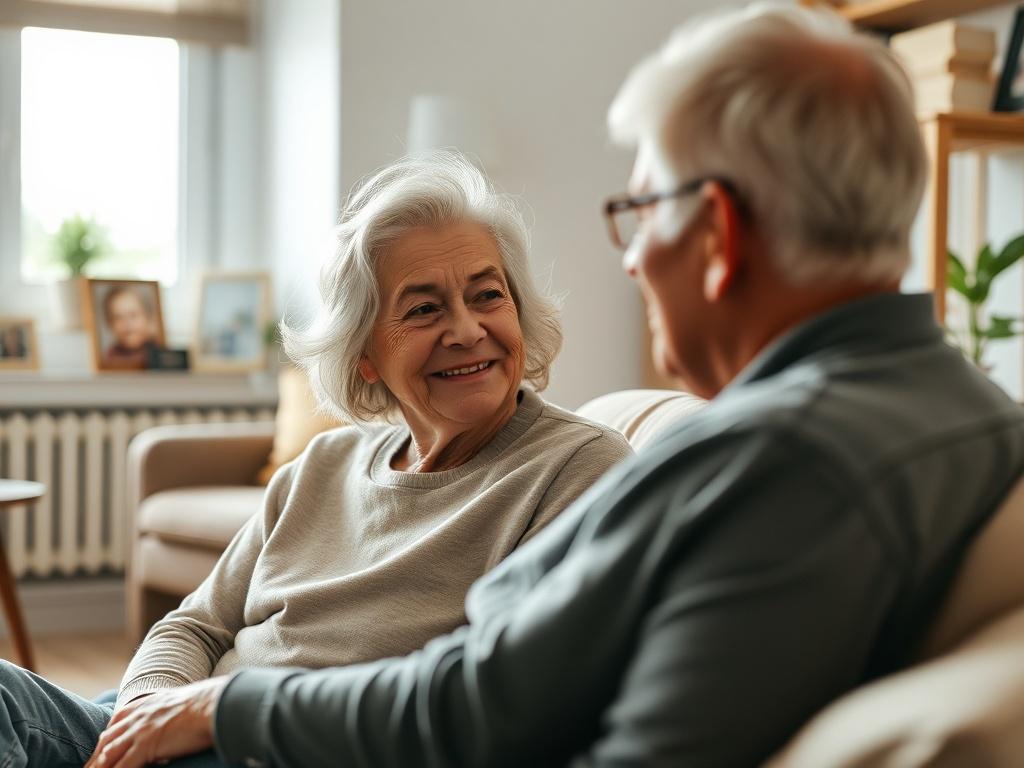
Companionship plays a crucial role in enhancing the emotional well-being of seniors, fostering a profound sense of connection. As individuals age, they often face isolation and loneliness, which can severely impact their overall mental state. By engaging with caring companions, seniors experience joy, laughter, and a renewed sense of purpose. Simple activities like sharing meals, playing games, or even talking about their lives can help them feel valued and understood, significantly elevating their spirits. This emotional support acts as a buffer against anxiety and depression, creating a nurturing environment that contributes to healthier aging.
Moreover, companionship stimulates cognitive function, keeping the mind active and engaged. When seniors have someone to interact with regularly, they can share memories, indulge in stimulating conversations, and pursue hobbies they love. This mental engagement not only enriches their lives but also helps combat cognitive decline, laying the foundation for a vibrant and fulfilling senior experience. In non-medical home care settings, caregivers often provide not just physical support but also meaningful companionship that enhances emotional health, enabling seniors to thrive in a loving and supportive atmosphere.
The impact of social connections on physical health in non-medical home care
In non-medical home care, social connections play a vital role in enhancing the physical health of seniors. Engaging with companions not only combats feelings of loneliness and isolation but also encourages seniors to participate in physical activities. Whether it’s taking walks, attending community events, or practicing gentle exercises at home, companionship often motivates seniors to move more and stay active. This increased physical activity can lead to improved mobility, better cardiovascular health, and a greater sense of overall well-being.
Furthermore, strong social ties significantly impact seniors' immune systems and can even help manage chronic conditions. Friends and caregivers provide emotional support, which reduces stress and lowers cortisol levels, ultimately leading to better health outcomes. By fostering social interactions through companionship, non-medical home care enhances seniors' quality of life, empowering them to enjoy a healthier lifestyle while nurturing meaningful relationships. These connections become even more crucial as individuals age, demonstrating that friendship and support are essential components of holistic health care for seniors.
Real stories: How companionship transforms lives in senior care settings
Many families have witnessed the profound difference companionship can make in the lives of their loved ones. For instance, consider the story of Margaret, an 82-year-old widow who found herself feeling isolated after her husband's passing. With the support of a compassionate caregiver, she began to engage in daily activities, such as painting and gardening. This companionship not only rekindled her joy in hobbies but also allowed her to forge new friendships. As Margaret shared laughter and stories with her caregiver, her emotional landscape transformed, brightening her days and imparting a renewed sense of purpose.
Another inspiring narrative involves John, a 75-year-old veteran living with limited mobility. After receiving non-medical home care, John's caregiver organized weekly game nights and occasional outings. These activities stimulated his mind and provided him with much-needed social interaction, ultimately leading to improved mood and vitality. John's family observed that the quality of his life drastically improved, as he eagerly anticipated each visit. These real stories illustrate how companionship in non-medical home care not only combats loneliness but also empowers seniors to embrace life, reinforcing the idea that genuine connections can indeed enhance their overall well-being.

 Whatsapp: 206-889-7986